Why Nature Matters
Connection to the natural world is not a luxury or an enrichment activity. It is a fundamental part of human development and wellbeing. For children, whose understanding of the world is shaped through direct experience, relationship with nature plays a vital role in how they feel, learn, and grow.
Research, practice, and lived experience increasingly point to the same truth: when children are supported to build meaningful relationships with the natural world, the benefits reach far beyond outdoor play.
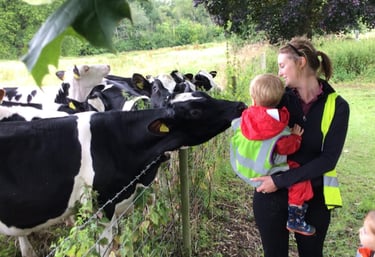
Nature & Childhood
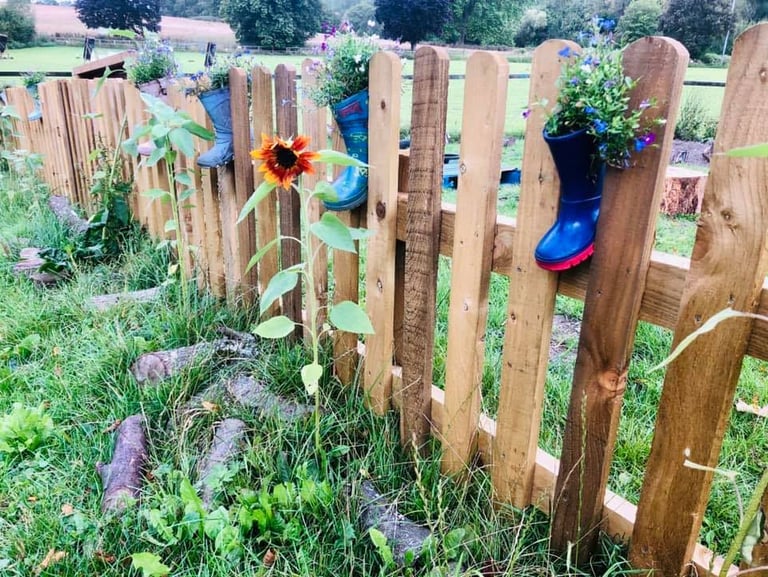
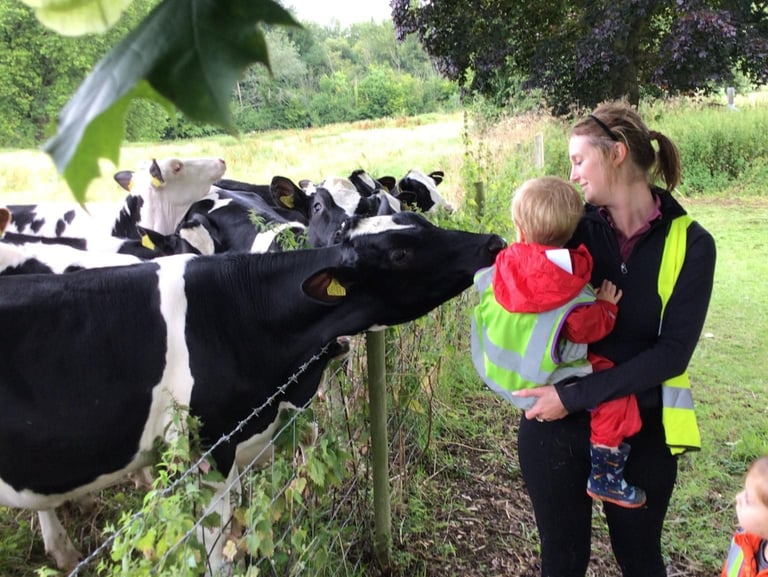
Childhood has always unfolded in relationship with the natural world. Long before formal education, children learned through seasons, weather, materials, movement, and observation. Nature offered challenge and comfort, unpredictability and rhythm, freedom and responsibility.
In modern childhood, opportunities for this kind of connection have become increasingly limited. Children spend more time indoors, experience higher levels of adult direction, and are often separated from natural spaces and processes. This loss is not neutral, it affects how children regulate emotions, develop resilience, and build a sense of belonging in the world.
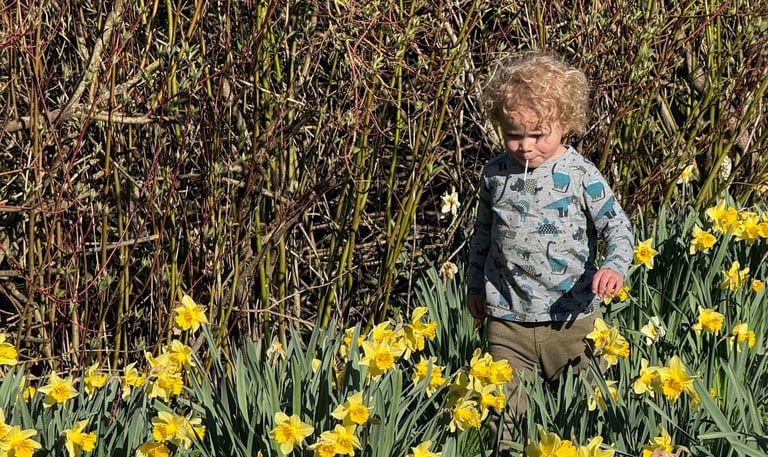
Research led by Professor Miles Richardson at the University of Derby highlights the importance of nature connection, not simply time outdoors, but the quality of a persons relationship with the natural world. This work shows that children and adults benefit most when nature is experienced as something they are part of, rather than something they visit or use.
When children are supported to notice nature, care for it, and feel emotionally connected to it, they develop stronger empathy, curiosity, and a sense of place. Nature becomes a context for play, imagination, risk, problem-solving, and meaning — not an external resource, but a living presence in their lives.
In early years settings, this means creating environments and rhythms that allow children to build familiarity with natural materials, observe change over time, and experience nature as something steady, responsive, and real.
Nature and Wellbeing
Nature connection is increasingly recognised as a key factor in emotional and psychological wellbeing for children and adults alike. Research has demonstrated that people who feel more connected to nature report higher levels of happiness, lower levels of anxiety, and a stronger sense of meaning in their lives.
Importantly, this is not only about access to green space. Studies show that wellbeing benefits are strongest when people feel emotionally connected to nature when they notice it, care about it, and see themselves as part of it. Simple acts such as paying attention to seasonal change, touching natural materials, or spending quiet time outdoors can have measurable positive effects on mental health.
For children, these benefits are especially significant. Nature offers regulation through movement, sensory input, and rhythm. It provides space for release and calm, for challenge and restoration. It allows children to process emotions through play, to experience autonomy, and to feel grounded in something larger than themselves.
Within early years practice, this understanding shifts how nature is used. Rather than being an occasional activity or outdoor session, nature becomes a consistent source of emotional support and balance which is woven through the day, the environment, and adult interactions.
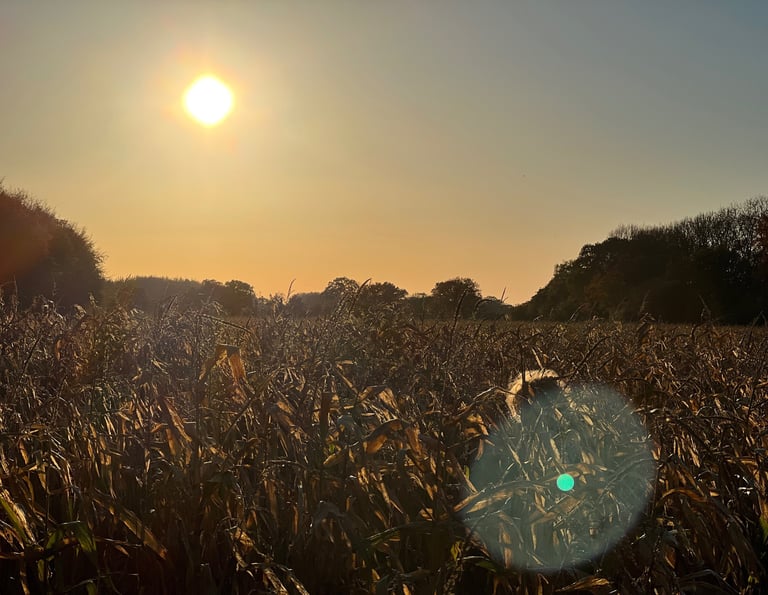
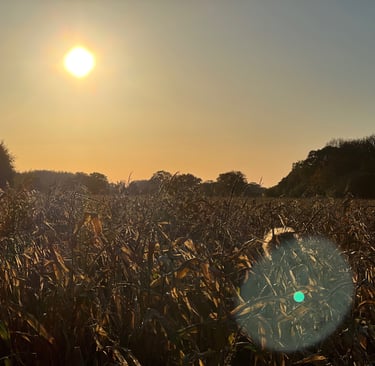
“Nature does not hurry, yet everything is accomplished.”
— Lao Tzu
Why This Matters in Early Years Practice
When early years settings prioritise nature connection, they are not adding another demand to an already full curriculum. They are strengthening the foundations that allow learning to happen.
Nature-connected practice supports:
emotional regulation and resilience
physical health and sensory integration
social connection and empathy
sustained attention and curiosity
a sense of belonging and care for the world
The Nature Nursery Way draws on this growing body of research alongside practitioner knowledge and lived experience. It supports settings to move beyond surface-level “nature activities” and towards a culture where nature is present, relational, and meaningful.
This is not about returning to an idealised past. It is about responding thoughtfully to the realities of modern childhood — and creating environments where children can reconnect with something deeply human.
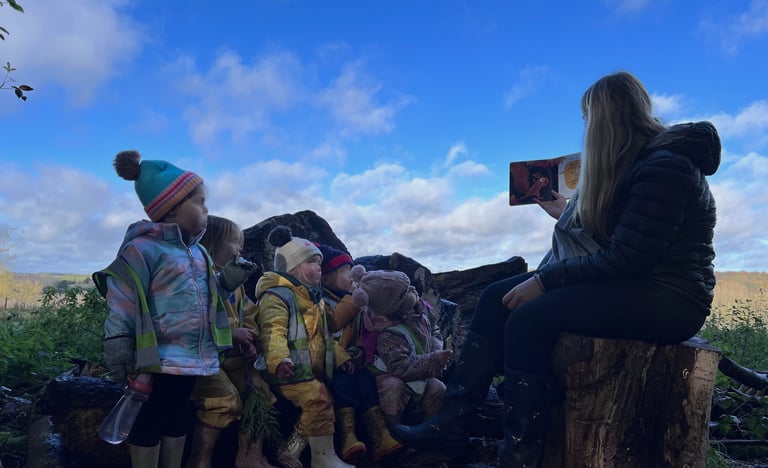
To explore how these principles translate into everyday practice, environments, and rhythms, you can explore The Guidance or learn more about Our Way.
Contact
Reach out for support or questions
hello@thenaturenurseryway.co.uk
© 2026. All rights reserved.